Who Were the Seljuks? A Simple Introduction to Their History
The Seljuks were one of the most important Muslim dynasties of the medieval world. They were a Turkic people connected with the Oghuz tribes and became powerful in the 11th century. Their rise changed the political map of the Middle East, Iran, Iraq, Syria, Central Asia, and Anatolia. The Seljuks are remembered not only for their military strength, but also for their role in education, architecture, administration, trade, and the spread of Turkish influence in Islamic history.
For many readers, the name “Seljuk” is connected with great rulers, powerful battles, and the beginning of a new era in Anatolia. But the Seljuk story is much bigger than war and conquest. It is a story of migration, leadership, faith, state-building, cultural growth, and long-term historical influence. Their legacy continued even after the decline of the Great Seljuk Empire and influenced later Turkish and Islamic states.
The Origin of the Seljuks
The Seljuks came from a Turkic background and were linked with the Oghuz tribes of Central Asia. Their name comes from Seljuk, a leader whose descendants later became powerful rulers. Like many nomadic and semi-nomadic groups of Central Asia, the early Seljuks moved across different regions in search of better political and economic opportunities.
Over time, the Seljuks accepted Islam and became part of the wider Muslim world. This was a major turning point in their history. Their identity began to combine Turkic traditions with Islamic political and cultural values. This combination helped them become accepted by many Muslim communities and allowed them to build strong relationships with religious scholars, local leaders, and city populations.
The Seljuks were known for their military ability, but their success did not depend only on fighting. They were also able to form alliances, control important routes, and create a political system that connected different peoples and regions. This made them more than a tribal force; it helped them become rulers of a large empire.
The Rise of Seljuk Power
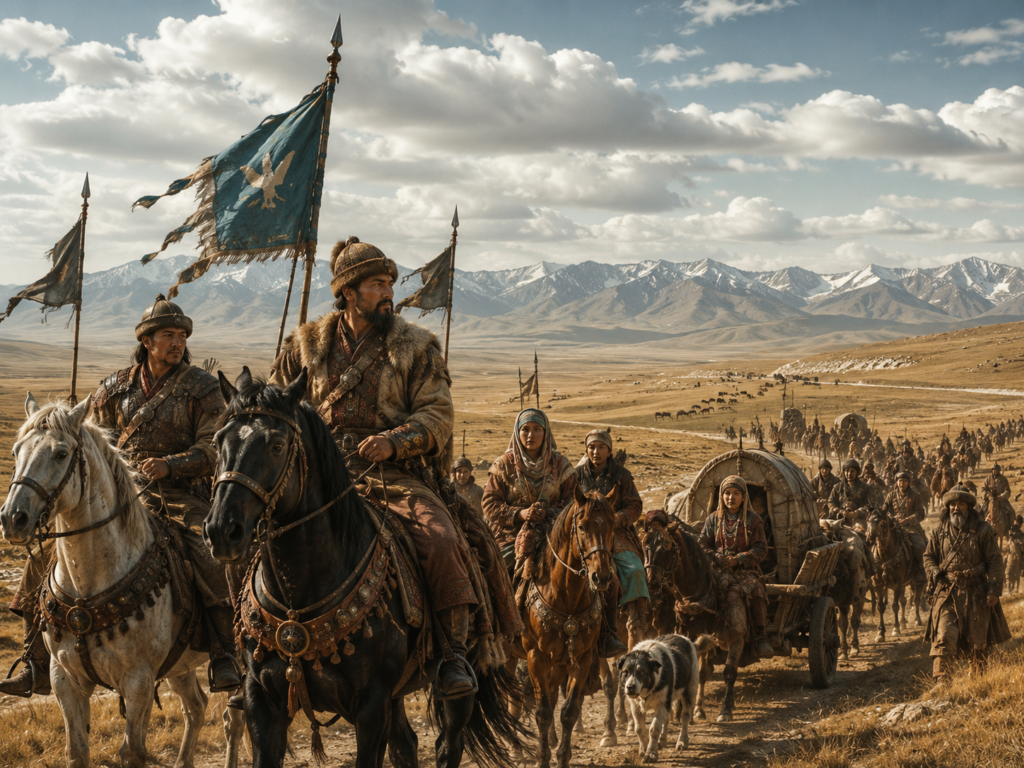
The Seljuks began gaining power in the eastern Islamic lands, especially in areas connected with Iran and Central Asia. Their rise was gradual, but once they became organized, they expanded quickly. They challenged older powers and became a major force in the Muslim world.
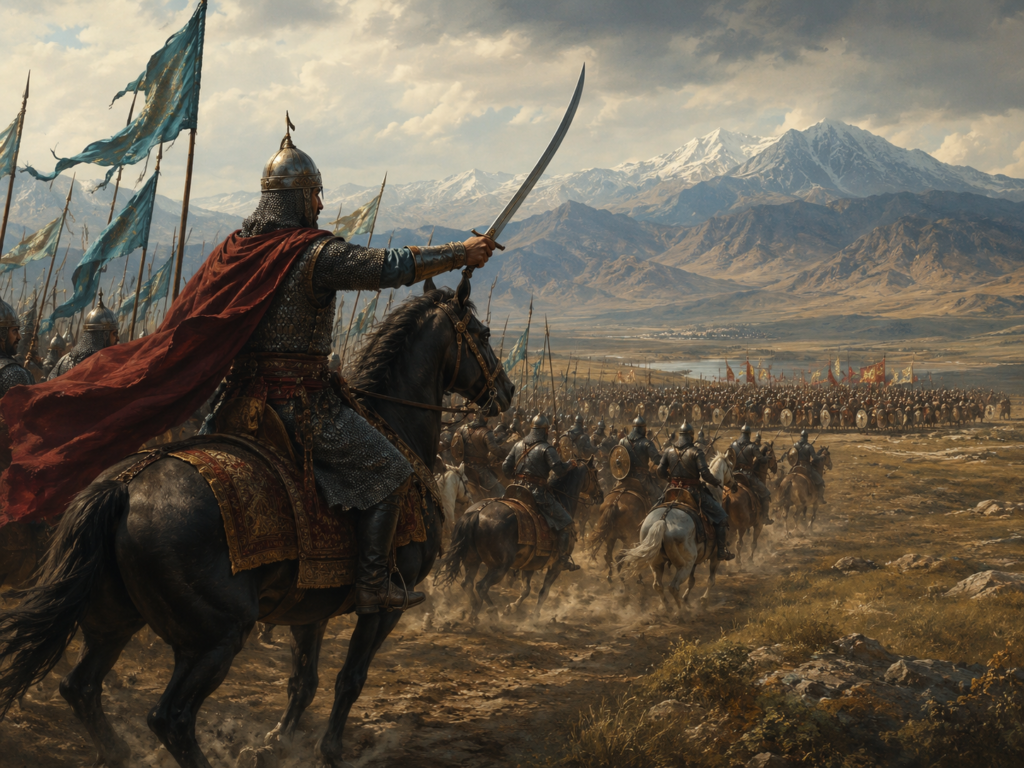
One of the most important moments in early Seljuk history was the Battle of Dandanaqan in 1040. This battle helped establish the Seljuks as a major power. After this victory, they gained greater control in the region and started building the foundation of what became the Great Seljuk Empire.
The Seljuks also became important because they supported the Abbasid Caliphate in Baghdad. In the 11th century, the Abbasid caliphs had religious importance, but their political power had weakened. The Seljuks gave military and political support to the caliphate and became protectors of Sunni Islamic authority. Tughril Beg entered Baghdad in 1055, and this event became a major symbol of Seljuk power and recognition.
The Great Seljuk Empire
The Great Seljuk Empire became one of the most powerful states of the medieval Muslim world. It included large areas and many different communities. Its lands connected cities, trade routes, scholars, soldiers, farmers, merchants, and administrators.
The empire was not simple to manage. It included people from different backgrounds, languages, and traditions. Because of this, Seljuk rulers needed strong administration. They used experienced officials, local governors, military commanders, and scholars to keep the state organized.
The Seljuk system was influenced by Persian administrative traditions and Islamic political ideas. Persian language and culture played an important role in court life, administration, literature, and education. This created a rich Turko-Persian culture that became influential in later Muslim states.
The Great Seljuk Empire reached a high point under rulers such as Alp Arslan and Malik Shah. During this period, the empire became known for political strength, military success, learning, and cultural development.
Important Seljuk Leaders
Several leaders played a major role in Seljuk history. Tughril Beg was one of the founders of Seljuk power. He helped turn the Seljuks from a rising tribal-military group into a recognized political force. His entry into Baghdad in 1055 increased the importance of the Seljuk dynasty in the Muslim world.
Alp Arslan was another famous Seljuk ruler. He is remembered for his military leadership and for the Battle of Manzikert in 1071. This battle was one of the most important events in medieval history because it opened the way for greater Turkish settlement in Anatolia.
Malik Shah, the son of Alp Arslan, ruled during one of the strongest periods of the Great Seljuk Empire. His era is often remembered for political stability, expansion, administration, and cultural progress. During his rule, the famous vizier Nizam al-Mulk played an important role in strengthening the empire’s institutions.
Nizam al-Mulk and Strong Administration
Nizam al-Mulk was one of the most famous statesmen of the Seljuk period. He served as a vizier and helped create a strong administrative structure. A good empire needs more than a powerful army; it needs laws, offices, education, tax systems, communication, and trained officials. Nizam al-Mulk understood this very well.
He is also known for his political writing and his support for education. His ideas focused on good governance, justice, loyalty, and the responsibilities of rulers. He believed that a ruler should protect order and stability while respecting religious and social values.
One of his major contributions was the support of Nizamiyya madrasas. These educational institutions helped train scholars, judges, teachers, and administrators. They also supported Sunni Islamic learning and became an important part of intellectual life in the Seljuk world.
The Battle of Manzikert
The Battle of Manzikert took place in 1071 between the Seljuks and the Byzantine Empire. Sultan Alp Arslan led the Seljuk army, while Emperor Romanos IV led the Byzantine forces. The Seljuk victory became one of the most important turning points in the history of Anatolia.
Before this battle, Anatolia was largely under Byzantine control. After the battle, Turkish groups began moving into Anatolia in greater numbers. This did not mean that all of Anatolia changed immediately, but it opened the door for long-term political, cultural, and demographic change.
Manzikert is important because it helped shape the future of Turkish history. In later centuries, Anatolia became a major center of Turkish Muslim civilization. The Seljuks of Rum, and later the Ottomans, were part of this wider historical development.
The Seljuks in Anatolia
After the Seljuk expansion, Anatolia became one of the most important regions connected with Seljuk history. The Sultanate of Rum, also known as the Anatolian Seljuk state, developed in this region. Its capital later became Konya, a city that grew into a major center of culture, politics, trade, and art.
The Seljuks in Anatolia built mosques, madrasas, caravanserais, bridges, and other public buildings. Their rule helped connect Anatolia with wider Islamic and commercial networks. The region became a meeting point of different cultures, including Turkish, Persian, Arab, Armenian, Greek, and other local traditions.
The Anatolian Seljuk period was especially important for art and architecture. The Metropolitan Museum of Art notes that the Seljuq period in Anatolia witnessed strong commercial, artistic, and cultural activity, especially in the 13th century.
Seljuk Education and Knowledge
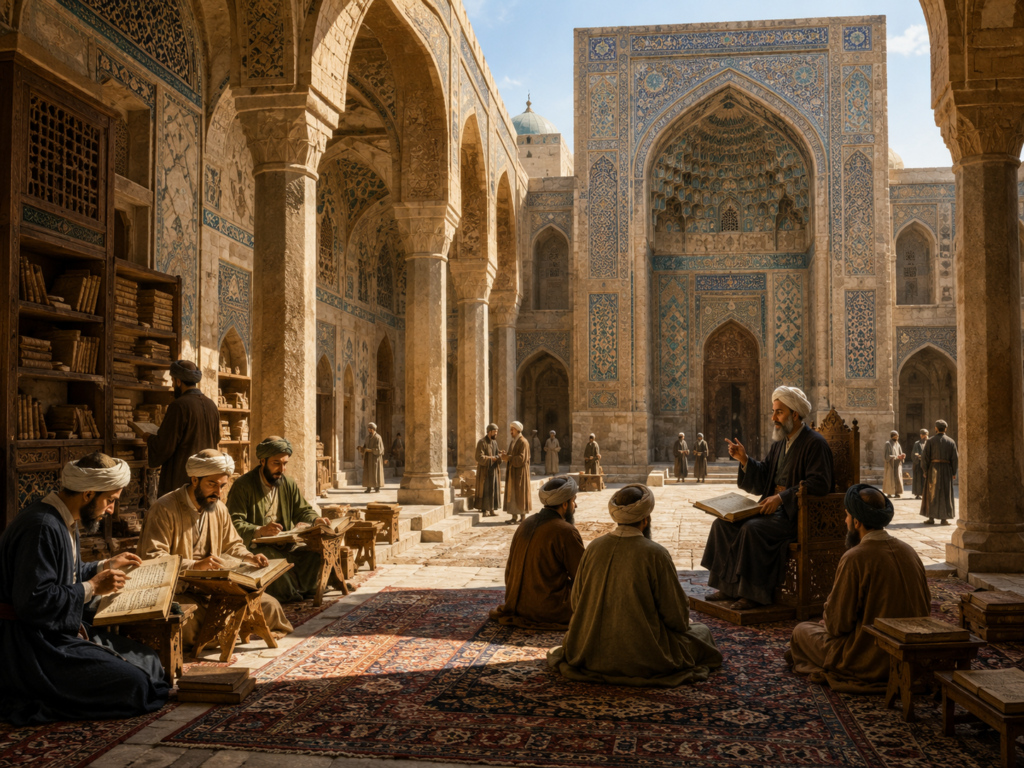
Education was an important part of Seljuk society. The Seljuks supported scholars and religious learning, and they helped develop institutions that shaped Islamic education for many years. Madrasas became centers where students learned religious sciences, law, Arabic, logic, literature, and other subjects.
The Nizamiyya madrasas were especially famous. They helped create a more organized system of learning and produced educated people who could serve as judges, teachers, scholars, and administrators.
This focus on education shows that the Seljuks were not only interested in military control. They understood that knowledge was necessary for strong society and stable government. A powerful state needed educated officials and respected scholars.
Seljuk Architecture and Art
Seljuk architecture is one of the most visible parts of their legacy. They built many types of buildings, including mosques, madrasas, caravanserais, tombs, bridges, and fortifications. Their buildings often included beautiful stonework, geometric patterns, calligraphy, and decorative details.
Caravanserais were especially important. These were roadside inns built to help merchants and travelers. They provided rest, safety, and services for people and animals moving along trade routes. This helped trade grow and made long-distance travel safer.
Seljuk art also included metalwork, ceramics, woodwork, textiles, and manuscript decoration. Their artistic style mixed different influences and helped shape later Turkish and Islamic art. Britannica notes the importance of Seljuq commercial architecture and caravanserais, especially on main trade routes.
The Seljuks and Trade
Trade played a major role in Seljuk life. The Seljuks controlled important routes that connected East and West. Merchants carried silk, spices, textiles, metal goods, books, and other valuable products through Seljuk lands.
Trade was not only about money. It also helped ideas, languages, technologies, and cultural habits spread from one region to another. Cities became active centers of business and learning. Markets brought together people from different backgrounds.
By building caravanserais and protecting trade routes, the Seljuks supported economic growth. This helped cities develop and strengthened the state. A strong economy made it easier to support armies, public buildings, scholars, and administration.
Religion and Society
The Seljuks were supporters of Sunni Islam and played an important role in the religious life of their time. They supported scholars, mosques, madrasas, and religious institutions. Their relationship with the Abbasid Caliphate also increased their religious and political importance.
However, Seljuk society was not made of only one group. Their empire included many communities with different languages, ethnic backgrounds, and local traditions. Cities, villages, nomadic groups, scholars, soldiers, merchants, and craftsmen all had different roles in society.
This diversity made the Seljuk world rich and complex. The rulers needed to balance military power, religious authority, local customs, and administrative control. Their ability to manage different groups was one reason for their success.
The Decline of the Great Seljuk Empire
Like many large empires, the Great Seljuk Empire eventually faced internal and external problems. After the strongest rulers died, struggles for power weakened central authority. Different branches of the ruling family competed for control. Local governors and military commanders became more independent.
The empire also faced pressure from outside forces. Over time, the central Seljuk state lost strength. However, this did not mean the Seljuk legacy disappeared. Different Seljuk branches and successor states continued to influence politics and culture.
The Anatolian Seljuks remained especially important. Even after the decline of the Great Seljuks, Anatolia continued to develop as a center of Turkish and Islamic civilization.
The Seljuk Legacy
The Seljuk legacy is very important in world history. They helped bring Turkic political power into the heart of the Middle East. They supported Sunni Islamic institutions, protected the Abbasid Caliphate, encouraged education, and built beautiful architecture.
Their influence was also important for Anatolia. The Seljuk presence helped prepare the ground for later Turkish states in the region. Their architecture, administrative traditions, military organization, and cultural ideas influenced later societies, including the Ottomans.
The Seljuks also show how different cultures can come together. Their world included Turkic military traditions, Persian administration and literature, Islamic scholarship, and local cultures from many regions. This mixture created a strong and lasting civilization.
Why the Seljuks Still Matter Today
The Seljuks still matter because their history explains many later developments in the Muslim world and Anatolia. They were part of the movement of Turkic peoples into the Middle East. They shaped political power, supported education, and influenced cultural life.
For students and general readers, learning about the Seljuks is useful because it connects many important subjects: migration, empire-building, leadership, religion, trade, architecture, and social change. Their story helps us understand how medieval societies worked and how civilizations developed over time.
The Seljuks were not perfect, and their empire had many challenges. But their achievements were significant. They created a political and cultural legacy that continued long after their strongest period ended.
Conclusion
The Seljuks were one of the most influential dynasties of medieval Islamic history. From their Turkic origins in Central Asia to their rise as rulers of a large empire, their journey changed the history of many regions.
They were warriors, rulers, builders, patrons of education, supporters of scholars, and protectors of important trade routes. Their victory at Manzikert, their support for the Abbasid Caliphate, their educational institutions, and their architecture all became part of their lasting legacy.
The story of the Seljuks is not only about battles and rulers. It is also about knowledge, culture, society, trade, and identity. Their history remains important for anyone who wants to understand Turkish history, Islamic civilization, and the development of Anatolia.