
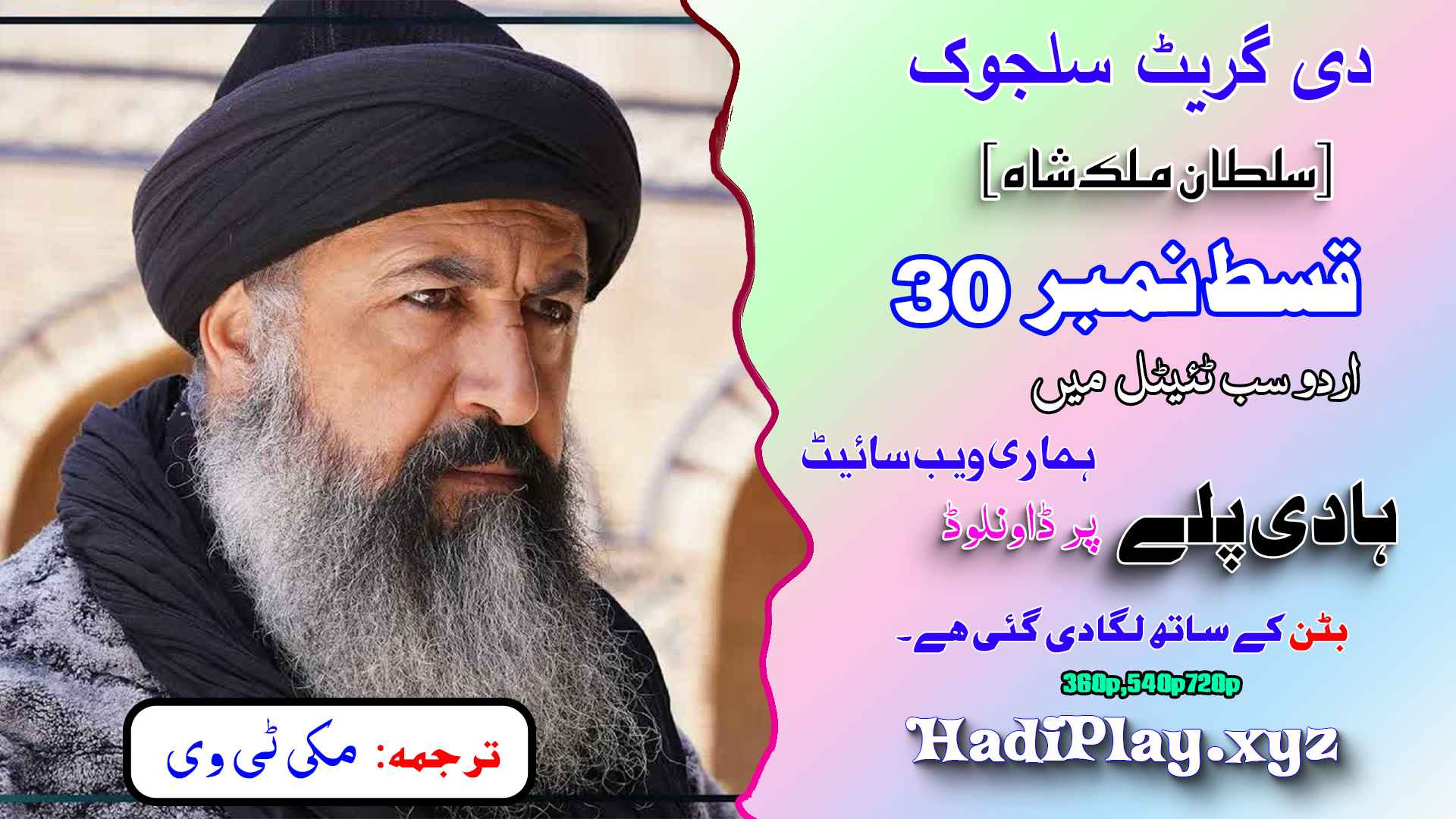
🗡️ The War Path to Jerusalem: The Great Seljuk Episode 30—The Southern Campaign Commences 👑
The Great Seljuk (Uyanış: Büyük Selçuklu) Episode 30 marks the highly anticipated launch of the major military campaign against the Fatimid Caliphate of Egypt. Following the decisive intelligence victory in the previous episode, Sultan Melikşah now commits the Seljuk army to the south, aiming to secure vital trade routes, neutralize the main ideological rival, and, ultimately, retake the Holy City of Jerusalem. This episode is defined by massive logistical mobilization, the strategic deployment of Sencer, and the immediate counter-attacks by both Hasan Sabbah and the Fatimid forces.
Part I: Mobilization and The Ideological Imperative ⚔️
Episode 30 focuses on the immense scale and profound ideological justification behind the southern campaign, which is framed as a necessary Jihad to protect Sunni Islam.
The Sultan’s Directive
-
The Target: The campaign is aimed at securing key Fatimid-controlled cities in Syria and Palestine, which act as a buffer for the Fatimid capital, Cairo, and control access to vital trade routes and Jerusalem.
-
The Vizier’s Logistical Challenge: Vizier Nizam al-Mulk is forced to manage the most complex logistical operation since the Alamut siege. He must secure vast quantities of supplies, water, and specialized siege equipment for an army campaigning in the remote, arid climate of the Levant. This logistical precision is critical, as failure would leave the army vulnerable to desertion and Fatimid counter-attacks.
Sencer’s Critical Role
Sencer is deployed as the chief intelligence and vanguard commander. His mission is to move swiftly ahead of the main army, securing forward supply depots, neutralizing Fatimid spies, and preparing the local populace for the Seljuk arrival.
-
Intelligence Priority: Sencer prioritizes rooting out the Fatimid-Hashashin cells that were revealed to be active in the border territories. His success is vital, as these cells are tasked with ambushing the Seljuk supply lines and assassinating key commanders.
Part II: The Fatimid Counter-Move and Sabbah’s Ambush 🗡️
The Fatimids, having been warned of the impending invasion, launch a calculated counter-move, often collaborating directly with their ideological allies.
The Fatimid Defense
-
Frontier Fortifications: The Fatimid forces, commanded by a veteran general, secure their border fortifications and utilize their superior knowledge of the desert terrain to prepare ambushes and surprise attacks on the Seljuk vanguard.
-
The Hashashin Alliance: Hasan Sabbah and his decentralized network are shown actively collaborating with the Fatimid intelligence apparatus. They target Sencer’s vanguard, using specialized tactics like planting double agents or using suicide attacks to create maximum chaos and demoralize the Seljuk troops at the beginning of the campaign.
The First Major Engagement
The episode culminates in a tense first major skirmish between Sencer’s vanguard and a combined Fatimid-Hashashin force. Sencer must rely on rapid communication and his superior field intelligence to survive the ambush and deliver a decisive tactical victory, confirming the Seljuk army’s superiority.
Part III: Political Dynamics and Translation Imperatives 🌍
The immense cost and high risks of the southern campaign create immediate tension in Isfahan, which must be carefully managed.
Terken Hatun’s Calculated Silence
Terken Hatun (Sultan Melikşah’s wife) is forced into a temporary strategic silence due to the campaign’s overwhelming religious justification. However, her allies are positioned to monitor the immense logistical spending, ready to launch a financial attack if the campaign stalls.
The Role of Urdu Subtitles
The Urdu Subtitles are vital for this episode:
-
Geopolitical Specificity: Subtitles clearly translate the strategic importance of the Levant, Jerusalem, and key trade cities (Damascus/Aleppo), ensuring the audience understands the geopolitical stakes.
-
Military Logistical Detail: The translation of the complex logistical reports regarding the movement of supplies across the desert environment is crucial for showing Nizam al-Mulk’s brilliance.
Frequently Asked Questions (FAQs) about The Great Seljuk Episode 30:
| Question | Answer |
| Q1: What is the primary objective of the Seljuk campaign launched in Episode 30? | A1: The objective is a major military campaign against the Fatimid Caliphate to secure key cities in Syria and Palestine, and ultimately retake control of Jerusalem. |
| Q2: What is the main logistical challenge facing Nizam al-Mulk? | A2: The challenge is supplying a massive army campaigning in the remote and arid Levant, requiring specialized and highly secure forward supply depots and water routes. |
| Q3: How do the Fatimids and Hasan Sabbah collaborate in this episode? | A3: The Hashashin network actively collaborates with the Fatimid intelligence to launch specialized ambushes and suicide attacks targeting the Seljuk vanguard and supply lines. |
| Q4: What role does Sencer play in the initial phase of the campaign? | A4: Sencer acts as the chief intelligence and vanguard commander, responsible for securing advanced supply depots and neutralizing the immediate threat posed by Hashashin cells on the border. |
| Q5: Why are the Urdu Subtitles vital for this episode? | A5: Subtitles are critical for accurately translating the geopolitical reports regarding the Holy City and trade routes, and the complex logistical plans for the desert campaign. |

Sultan mehmad ka sesone2 Urdu subtatil add kr dyn bhai
gg bhoot jld
Sultan mehmad ka sesone2 Urdu subtatil men add kr dy Hadi ply pr
gg bhoot gld
Season 2 aya he nahi